

Reviewed · CASTRIES TOURS
Essence of St Lucia Heritage Experience
The most memorable part of the Essence of St Lucia Heritage Experience is the way it connects plants, food, and daily life. At Greenwood Terrace, you walk through tropical gardens, handle herbs, learn how island people used them, then see household artifacts and taste local treats.
I like the hands-on garden walk, and I like the warm human touch provided by guides such as William, Cion, and Sherwin Showane Williams, along with Sylvia, who prepares the tasting. The main consideration is time: two and a half hours gives you a useful introduction, but not a full tour of St Lucia’s wider history or countryside.
Key points to know before booking
- More than 300 flowering plants: You see, smell, and touch plants rather than simply hearing a garden talk.
- Traditional medicinal garden: Herbs and spices are explained in both household medicine and cooking.
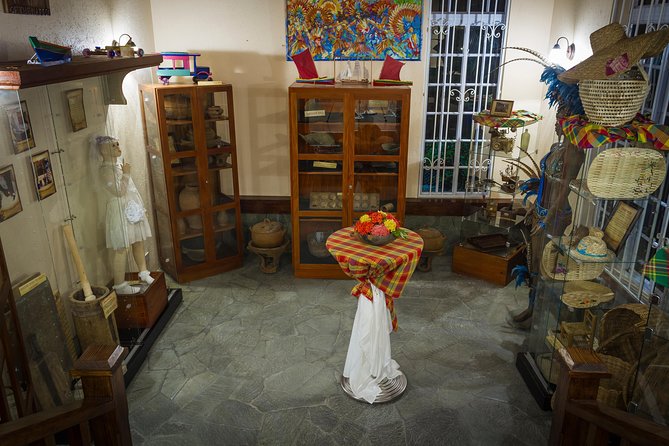
- Small onsite museum: Artifacts, utensils, clothing, and Creole headwear add a human side to the visit.
- Local tasting included: Expect tropical fruit, sweets, local delicacies, light snacks, and locally made rum.
- Easy Castries transport: Hotel and cruise-port pickup and drop-off come in an air-conditioned vehicle.
- A good cultural choice: This suits you best if you want a relaxed, educational morning instead of a beach or sightseeing bus tour.
A garden tour that explains how St Lucia lives
Many island tours rush from one viewpoint to the next. This one slows down and asks you to pay attention to what grows around you. The setting at Greenwood Terrace is not just a pretty garden. It is the starting point for a conversation about food, household remedies, scent, farming, and memory.
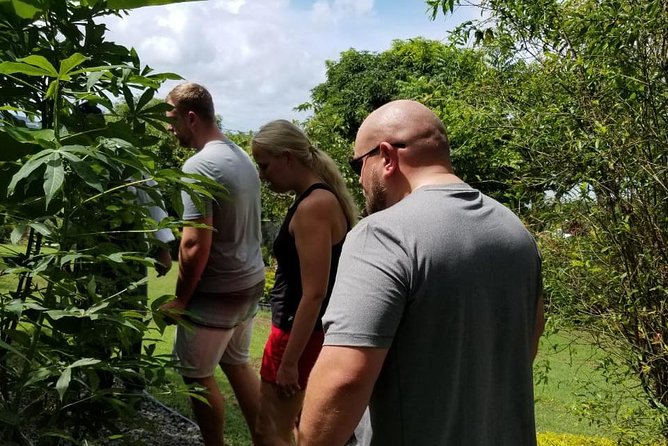
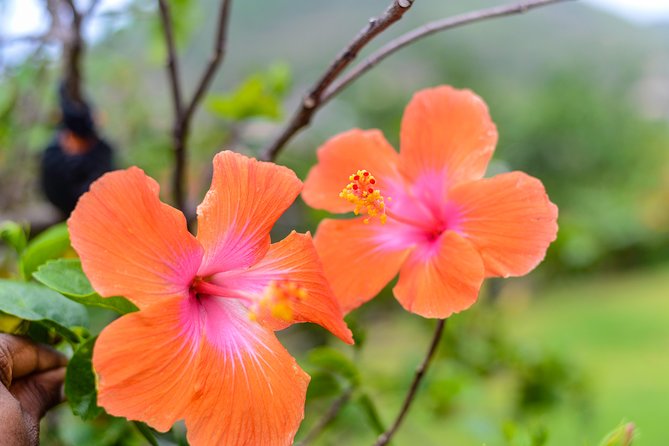
You walk through gardens containing more than 300 species of flowering plants. The guide encourages you to see, smell, and touch the plants, which makes the visit more engaging than a standard look-and-listen tour. You learn about their medicinal uses and how island residents have used them in everyday life.
That approach gives the tour its value. You are not only looking at tropical plants. You are learning why particular herbs and spices matter. Some have culinary uses, some have traditional medicinal uses, and some serve both purposes.
The presentation will depend partly on the guide leading your group. William, Cion, and Sherwin Showane Williams have all been associated with especially strong tours, and the comments about them point to a patient, personal style. Sherwin, in particular, is described as taking time with both the gardens and museum space. That is useful here because the subject is best handled slowly.
More history tours in Choc:
- Historical 18th Century Estate Tour with Coconut Tasting
★ 4.5 · 61 reviews - Nature & Historical Horseback Riding Tours St. Lucia
★ 4.5 · 54 reviews
What you see among the 300 flowering plants
The first part takes place in the main tropical gardens. The exact route through the plants is not specified, so you should expect a guided stroll rather than a formal botanical lecture with a printed plant list.
Your guide introduces different species and explains their place in St Lucian life. You get the chance to see, touch, and smell the plants, which turns the walk into a sensory lesson. If you are curious about local cooking or traditional remedies, this is where the tour feels most useful.
I would pay attention to the practical details. Ask which plants are used in food, which are associated with traditional remedies, and how people prepare them. The tour description promises information about medicinal properties, but it does not promise that every plant is safe to handle or consume, so follow the guide’s instructions and do not taste anything in the garden on your own.
The walk also gives you a chance to notice how much knowledge can be held in an ordinary household garden. A plant may be valued for fragrance, flavor, or a traditional use passed down through families. That makes this a good choice for anyone who wants cultural context instead of only scenic views.
Physical demands should be moderate. You will be walking through gardens for part of the two-and-a-half-hour visit, and the booking information recommends a moderate level of fitness. Wear practical shoes and be ready for a warm outdoor setting, though the tour also includes indoor or covered sections in the museum and tasting areas.
The medicinal garden puts tradition to practical use
After the broader garden walk, you visit a dedicated medicinal garden filled with herbs and spices. This section gives the tour a sharper focus. Instead of seeing a large collection of plants, you look at varieties connected to health, cooking, and household use.
The useful part is the link between the plant and its purpose. You learn how island residents have used herbs traditionally, along with their culinary roles. That connection helps explain why gardens have long mattered in St Lucia beyond decoration.
Do not expect a modern medical consultation. The experience presents traditional knowledge and cultural practice. The wording about medicinal use should be understood in that context, especially if you have allergies, take medication, or have a health concern. This is an educational stop, not medical advice.
For families, the sensory format may work well. Children must be accompanied by an adult, and the chance to smell and handle selected plants gives younger children something active to do. Still, adults should keep an eye on children around the garden and make sure they follow the guide’s directions.
This is also the part where a good guide makes a real difference. A guide who explains the plants in plain language can connect them to food and family life. A rushed presentation would reduce the garden to a string of names. The available guide feedback makes the quality of the explanation one of the stronger reasons to book.
A mini museum filled with everyday St Lucian objects

The garden visit is followed by the onsite mini museum. It contains historic items, artifacts, utensils, traditional Creole headwear, and dress. The collection is described as one of a kind, but it is still a mini museum, so keep your expectations in proportion.
You will not spend hours in a large national institution. Instead, you get a compact display that helps put the garden and tasting into context. Household objects can explain more about daily life than a long timeline of dates. Utensils show how people prepared food. Clothing and headwear offer clues about custom, identity, and presentation.
This stop matters because it gives the tour a human face. Plants can feel abstract when they are presented only as botanical specimens. Artifacts show how culture appears in ordinary routines, from cooking to dress.
The museum also provides a welcome change from the outdoor walk. If the weather is hot, you get a quieter section where the guide can speak about St Lucia’s past. Sherwin Showane Williams has been praised for taking time with the museum space, which suggests that you may get more than a quick pass through the displays.
Because this is a small collection, your enjoyment will depend on your interest in objects and explanation. If you want grand architecture, major archaeological sites, or a long historical tour, this is not the right choice. If you like seeing the tools and clothing connected to local life, it adds worthwhile detail.
A few more Choc days to weigh up
- St Lucia Catamaran Day Sailing and Sightseeing Tour
★ 4.5 · 198 reviews - Cruise Sunset Party in Castries
★ 4.5 · 76 reviews - Piton Sunset Snorkel Cruise St. Lucia From Castries
★ 4.0 · 53 reviews - Whale Watching and Dolphin Spotting Cruise
★ 4.5 · 41 reviews
The tasting brings the culture to the table
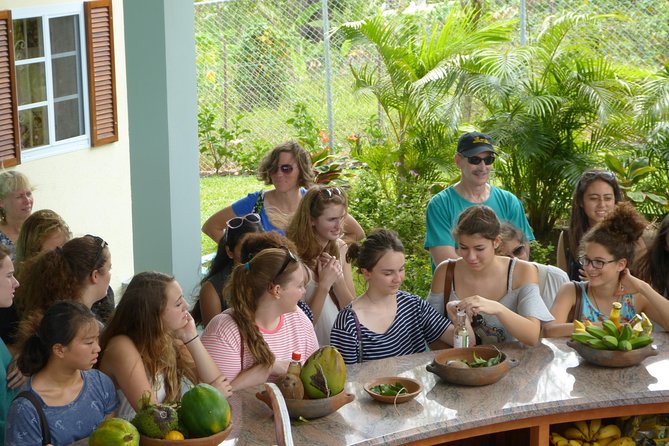
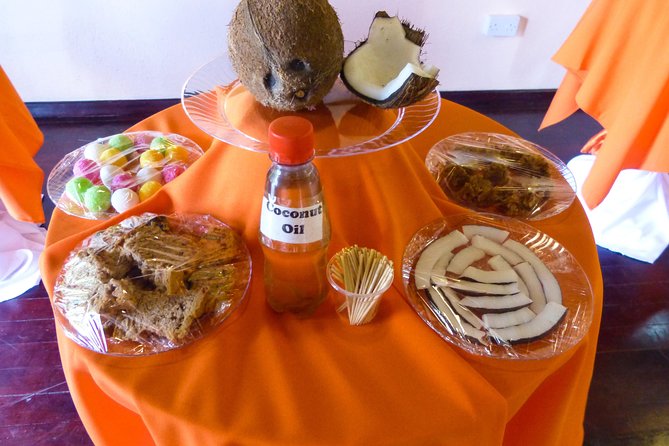
The final part is a sampling session with local delicacies, sweets, tropical fruit, light refreshments, and alcoholic drinks. Locally made rum and rum punch are part of the experience. Some visits have also included a meal or a selection of local dishes, but you should treat that as a possible format rather than a guaranteed full lunch.
Sylvia is specifically associated with preparing the food and drinks. The available comments describe her cooking as flavorful and the tasting as generous enough to make a strong impression. You may sample dishes that are seasoned but not necessarily very hot, which could suit you if you enjoy trying local food without a heavy chili kick.
The tasting is more than a snack break. It lets you connect the earlier garden lesson to actual flavors. Herbs and spices make more sense when you can taste the kind of food they help create. Fruit, sweets, and rum also give you a simple introduction to island hospitality.
The rum tasting deserves a practical note. Alcohol is included in the sampling, so pace yourself, especially if you are heading back to a ship or have plans soon after the tour. You can enjoy the cultural part without treating it as a drinking excursion.
If you do not drink alcohol, the food, fruit, and sweets still give you something to enjoy. The supplied details do not specify nonalcoholic alternatives, so ask the provider when booking if that matters to you.
Why the $85 price can make sense

At $85 per person, this is not the cheapest way to spend a morning in St Lucia. But the price includes hotel or port pickup and drop-off, an air-conditioned vehicle, a local guide, garden access, the mini museum, snacks, light refreshments, and the tasting.
That bundled transport matters if you are staying in Castries or arriving by cruise ship. You do not need to arrange a separate taxi to Greenwood Terrace, and you avoid the uncertainty of finding your way back to the port after the visit. The tour starts at 10:00 a.m., which gives cruise-ship passengers a clear morning option, though you should confirm that the pickup timing fits your ship’s schedule.
The value is strongest if you want a focused cultural experience rather than a long island circuit. You get about two and a half hours of guided content, food, drinks, and transport. A larger sightseeing tour might cover more distance, but it would likely give less time to understand one place.
The maximum group size is listed as 60 people. That is large enough to feel crowded during a garden explanation, although some visits have had small groups. Group size can affect how easily you can hear the guide and how much time you get to ask questions. If a personal, quiet visit matters to you, ask about the expected group size before paying.
The price is harder to justify if you mainly want beaches, viewpoints, or a full lunch. Those are not the central purpose here. You are paying for interpretation, access to a private setting, transport, and a taste of local foodways.
Getting there from Castries and planning your morning
Round-trip pickup is offered from Castries hotels and the cruise port. The vehicle is air-conditioned, a useful detail in St Lucia’s tropical climate. The tour begins at 10:00 a.m. and lasts about two hours and 30 minutes.
Your confirmation should arrive at booking. Since pickup details can vary by hotel or port schedule, read the confirmation carefully and provide accurate contact information. If you are coming from a cruise ship, allow extra time for disembarkation and do not assume that a late return will be possible.
The tour requires a moderate fitness level. The garden walk is the main physical element, but the information does not give details about paths, steps, seating, or wheelchair access. If you have mobility concerns, ask Barefoot Holidays about the route before booking.
Children must be accompanied by an adult. The hands-on plant visit may appeal to families, but the pace is educational rather than designed as a children’s activity. Adults who can help children listen, stay with the group, and follow garden instructions will get more from the visit.
Free cancellation is available if you cancel at least 24 hours before the start time. Changes or cancellations made inside that period are not accepted for a refund. The experience also requires a minimum number of bookings, so if the provider cancels for that reason, you will be offered another date or experience, or a full refund.
Who will enjoy this St Lucia heritage visit
I would choose this experience if you want to understand St Lucia through food, plants, and ordinary objects. It suits couples, families with older children, cruise-ship passengers, and anyone who prefers a quiet cultural morning to a packed sightseeing schedule.
It is also a good fit if you enjoy guided interpretation. The value rests on the explanations, not just the setting. Guides such as William, Cion, and Sherwin Showane Williams have been singled out for their communication, so asking whether one of them is scheduled may be worthwhile, though no particular guide is guaranteed.
You may want another tour if your priority is a full island overview, dramatic scenery, a beach stop, or strenuous outdoor activity. This visit stays centered on Greenwood Terrace and its gardens, museum, and tasting.
Food lovers should find plenty to like, especially if you enjoy trying local dishes and rum. Just remember that the official inclusions promise light refreshments, snacks, and sampling, not a guaranteed restaurant-style lunch. Past visits have included more substantial local food, but the menu can vary.
Should you book the Essence of St Lucia Heritage Experience?
Book it if you want a manageable, well-organized introduction to St Lucian culture with transport included. The strongest reasons are the hands-on medicinal garden, the compact collection of clothing and household artifacts, and the final tasting led in part by Sylvia.
At $85, it offers solid value for a two-and-a-half-hour visit if you would otherwise pay separately for transport and a guide. I would be less enthusiastic if you have only one day in St Lucia and want to see several major sights, since this is a focused visit rather than a broad island tour.
For the best fit, confirm the pickup arrangement, expected group size, tasting format, and guide assignment before booking. If those details match what you want, this is a thoughtful way to spend a morning learning how St Lucia’s plants, food, and customs connect.
FAQ
Where does the Essence of St Lucia Heritage Experience take place?
The experience takes place at Greenwood Terrace in Choc, St Lucia, at the home of Barefoot Holidays.
How long does the tour last?
The tour lasts approximately two hours and 30 minutes.
What time does the experience start?
The stated start time is 10:00 a.m.
Is transportation included?
Yes. Hotel and cruise-port pickup and drop-off from Castries are included, along with transport in an air-conditioned vehicle.
What will I see during the tour?
You will visit tropical gardens with more than 300 species of flowering plants, a medicinal herb garden, and an onsite mini museum with artifacts, utensils, traditional Creole headwear, and dress.
Is food and drink included?
Yes. The experience includes light refreshments, snacks, tropical fruit, local delicacies, sweets, and alcoholic beverages such as locally made rum. The exact tasting selection may vary.
Can children join the tour?
Yes, but children must be accompanied by an adult.
What is the cancellation policy?
You can cancel at least 24 hours before the start time for a full refund. Cancellations or changes made less than 24 hours before the start time are not accepted for a refund.
Just added around Choc
- St. Lucia Airport Transfer Service★ 4.5 · 3 reviews
- St Lucia Bike and Hike★ 3.5 · 4 reviews
- Private Airport/Resort Luxury Transfers★ 5.0 · 4 reviews
- Shopping Spree in St Lucia★ 3.5 · 4 reviews
- Private St Lucia Airport Transfer to Secrets St. Lucia Resort★ 5.0 · 4 reviews
- Rainforest Canopy Adventure from Vieux Fort or North Island, St Lucia★ 4.5 · 6 reviews
- St Lucia Rum Distillery Tour & Mineral Bath Excursion★ 4.5 · 8 reviews
- Volcano Mud Bath in St. Lucia★ 4.0 · 8 reviews
Castries Tours, compared.

Ultimate 3: Aerial Tram, Zipline and Hiking at Rainforest Adventures
Read our review →

From Castries: Full-Day Catamaran Tour to Soufriere
Read our review →

Babonneau/Castries: Rainforest Zip Line, Tram, and Hike Tour
Read our review →
Browse the lists this tour appears in