
Reviewed · FOOD & DRINK
Historical 18th Century Estate Tour with Coconut Tasting
Morne Coubaril’s best trick is turning everyday foods into living history. You see a coconut split by hand, raw cocoa beans polished by foot, and sugar cane crushed by a mule-driven mill. The tastings make the past easy to understand, especially when you discover that fresh cocoa tastes nothing like a chocolate bar.
I like the tour for two clear reasons: the demonstrations are practical, not just museum displays, and the estate brings together gardens, village huts, a grand house and scenic views in one compact visit. Guides such as Natasha, Jonathan, Vincia and Noelita have earned praise for explaining the plants and estate work with warmth.
The main caution is consistency. Some guides give a lively, personal tour, while others may sound rushed or scripted. The advertised timing also varies between 30 minutes and one hour, so allow about an hour and arrive ready to walk outdoors.
Key points to know before you go
- Coconut tasting is the star for many visitors: Watch a skilled demonstration of dehusking, then taste fresh coconut water and jelly.
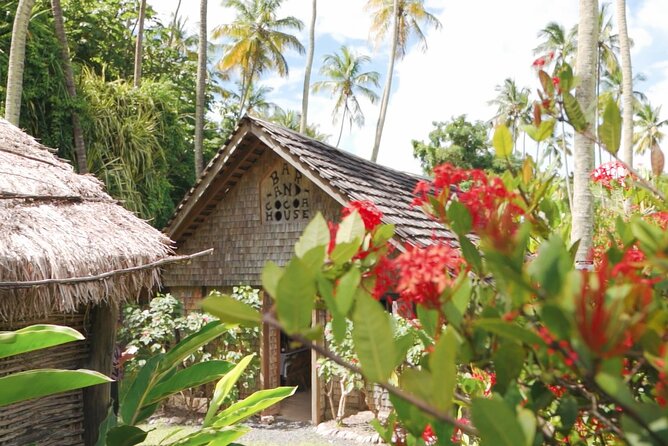
- Raw cocoa is a useful surprise: You can sample a ripe cocoa bean and see fermentation, drying, grinding and the cocoa dance used to polish the beans.
- The replica village adds human context: Stick huts show how island residents may have lived, though the replicas are modern reconstructions.
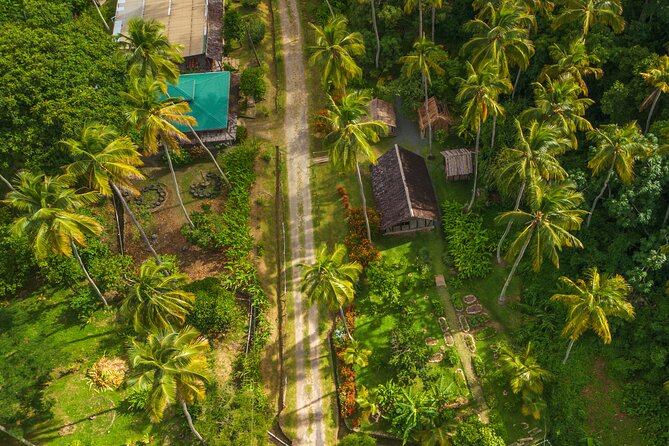
- The estate is more than a plantation stop: Gardens, medicinal herbs, the Monplaisir family house and a sugar cane mill all fit into the visit.
- The $12 price is hard to beat: Entrance and a local guide are included, while lunch, drinks and transport cost extra.
- Plan for outdoor walking: The tour is not recommended for people with walking difficulties or visual impairments.
Morne Coubaril turns plantation work into a hands-on lesson
If you have only a short time near Soufriere, Morne Coubaril gives you a useful introduction to several parts of St Lucian life in one place. The estate tour connects agriculture, household work, village life and colonial-era architecture without requiring a full-day commitment.
I find the food demonstrations especially effective because they show the labor hidden behind familiar products. Coconut, cocoa, coffee and sugar cane are not presented as names on a sign. You see how people handled them before modern machinery took over much of the work.
The experience is also modest in scale. At $12 per person, this is not a polished theme-park production or an elaborate museum. It is a guided walk through an active heritage attraction, with simple displays, working demonstrations and samples. That makes the price a strong point, though it also means you should set your expectations accordingly.
More food tours in St Lucia:
- St. Lucia Food and Rum Tour – Taste authentic St. Lucian Food and Culture
★ 5.0 · 204 reviews - St Lucia Rum Tasting and Tour
★ 4.5 · 91 reviews - Rodney Bay Food Tour by LUCIAN FOOD TOURS
★ 5.0 · 76 reviews
The replica stick huts give the tour a human beginning
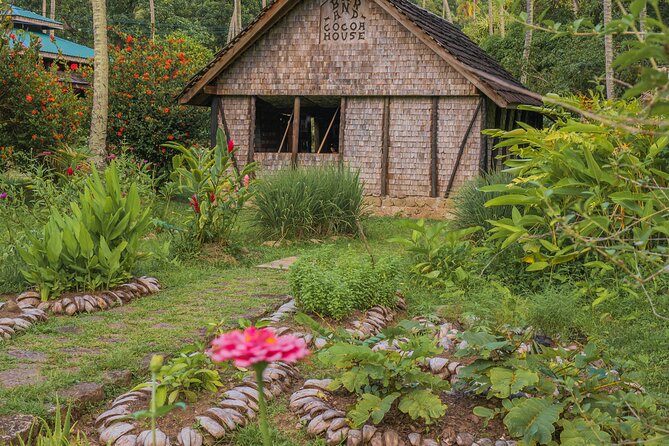
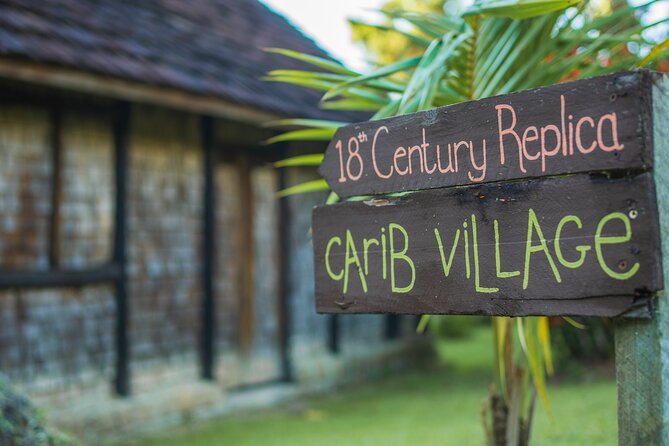
The walk starts at a small recreated village with stick huts linked to island life in the 1700s. These structures are meant to help you picture how people lived and worked before reaching the estate house and processing areas.
I like this opening because it gives the later demonstrations a social setting. A coconut is not only a tropical snack. It was part of daily work, food preparation and household survival. The huts help connect the agricultural displays to the people who depended on them.
You should also keep the wording in mind. These are replicas, not untouched historic homes. One account described the huts as modern structures built on concrete pads, so visitors looking for original 18th-century buildings may find the presentation too reconstructed. If you treat the village as an interpretive display rather than an archaeological site, it works better.
The village can also become difficult to follow if you are at the back of a large group. The maximum group size is listed as 100 people, although your actual group may be smaller. Stay close to the guide and ask questions when you can.
The gardens show St Lucia beyond its beaches
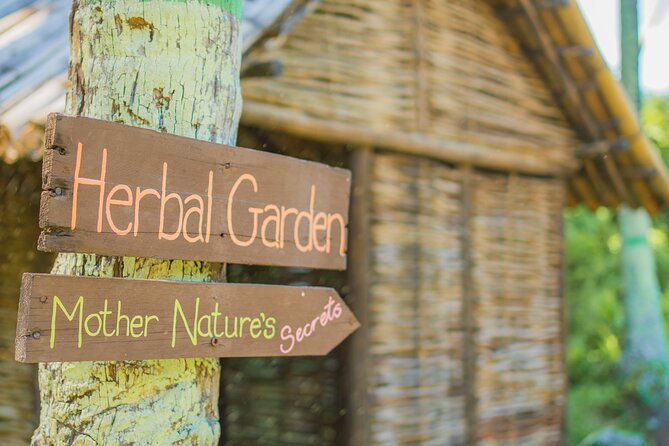
From the village, the tour moves through the estate gardens. You see native plants, trees, flowers, fruit and herbs, with the guide explaining how some plants were used to treat illness and injuries.
This section gives the visit a more local feel than a standard plantation tour. It is not only about export crops. You learn how the plants around a home or estate could serve as food, medicine and raw material.
Guides make a real difference here. Natasha has been praised for explaining St Lucian plants, trees and culture, while other guides have pointed out basil, tamarind, mango and other edible items. Vincia was also praised for engaging the entire group while discussing the vegetation and chocolate production.
I would not expect a formal botanical lecture. The value comes from the guide’s ability to identify plants and explain their uses in plain terms. If that part interests you, ask questions rather than simply following the group from one stop to the next.
The grounds are attractive, but you are walking outside in a tropical climate. Rain can arrive during the visit, and the estate does not promise umbrellas or rain gear. Wear shoes with a decent grip and bring your own protection if the forecast looks uncertain.
The Monplaisir house provides the estate’s grand center
The Monplaisir family house is the architectural centerpiece of the property. After the village and gardens, the house shows the other side of estate life: the residence of the family that controlled the property, rather than the simpler homes used by workers.
That contrast is one of the tour’s most useful historical ideas. The visit does not present the estate as a single shared experience. The huts and manor house point to different levels of life and work on the same property.
The house is described as a grand example of the period’s architecture. The available information does not promise a long interior-house tour, so I would see it mainly as an important stop and visual anchor rather than the central attraction.
This is also a good place for photographs. The grounds, house and views give you more variety than a tour made up only of small processing sheds. If you are carrying a camera or phone, keep it ready, but do not let photographs pull you away from the guide’s explanation.
More history tours in St Lucia:
- Nature & Historical Horseback Riding Tours St. Lucia
★ 4.5 · 54 reviews - Essence of St Lucia Heritage Experience
★ 5.0 · 5 reviews
Coconut dehusking is the most memorable demonstration
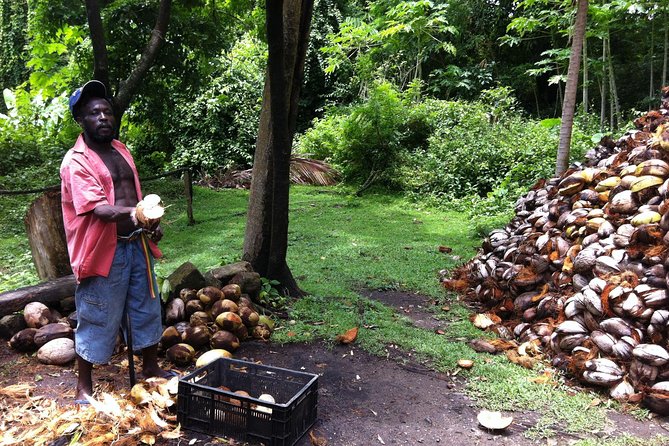
The coconut section is where the tour becomes especially physical. A staff member demonstrates how to remove the husk by hand, a job that looks simple only when performed by someone experienced.
You then learn about drying coconut meat into copra. The tour explains how the drying process works, including the use of an oven. This turns a familiar fruit into a lesson in preservation and trade.
The tasting follows the demonstration. You can drink coconut water and sample the soft coconut jelly inside a young coconut. Some guides also offer coconut meat, coconut candy or other coconut-based treats. The appeal is freshness: this is not a packaged island souvenir but a direct taste of the fruit being prepared in front of you.
I would rate this as the strongest section for families and first-time visitors to the Caribbean. It is visual, easy to understand and mildly surprising. Children must be accompanied by an adult, and the tour is not recommended for people with difficulty walking, so keep the practical limits in mind.
Cocoa processing explains why chocolate takes work
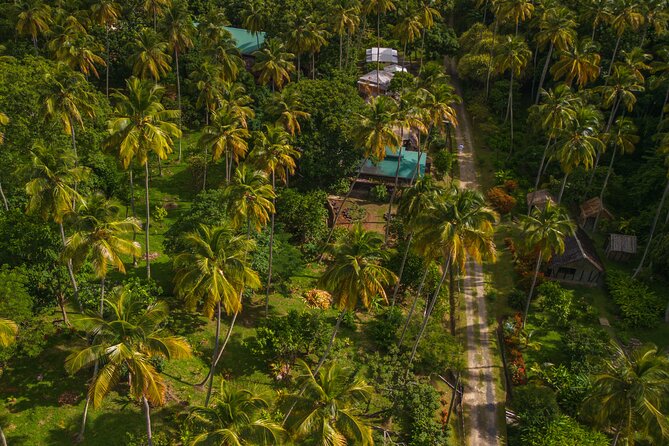
The cocoa and coffee house is the most educational stop if you want to understand how chocolate begins. You can see a ripe cocoa bean, taste it in its raw form and follow the early stages of processing.
The process includes fermentation, drying and grinding. You may also see the cocoa dance, in which the beans are polished by foot. This is one of the tour’s unusual details, and it makes clear how labor-intensive cocoa preparation once was.
Do not expect the raw bean to taste like finished chocolate. The fresh bean can be tart, bitter or unfamiliar, with a texture and flavor far removed from a candy bar. That contrast is exactly why the sample is useful. You learn that chocolate flavor develops through several stages rather than appearing naturally in the fruit.
Some visits include cocoa nibs, ground cocoa or chocolate-related tastings. Rum and chocolate tastings are available as separate options, according to the experience information, but they are not part of the $12 historical tour. Alcoholic drinks can be purchased separately.
I like this stop because it replaces a vague idea of plantation production with a clear sequence. You see the bean, the drying, the grinding and the finishing work. If you are hoping for a full chocolate-making class, this is not that. It is a demonstration and tasting within a broader estate tour.
The mule-driven sugar mill keeps the old work visible
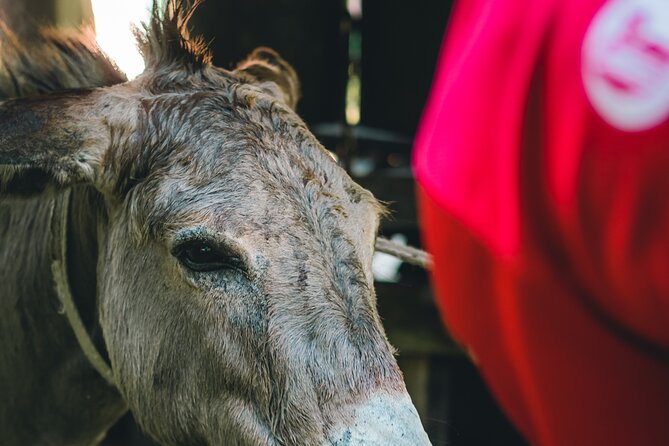
The sugar cane mill is operated by a mule or donkey, depending on the description used for the demonstration. The animal turns the mill while the cane is crushed, and you can sip fresh cane juice.
This is a small but useful display of preindustrial power. The animal provides the force, the mill does the crushing and people handle the crop. Like the coconut demonstration, it shows the amount of work behind a product that often arrives at home in a finished form.
The cane juice is a typical island treat and adds another taste to the tour. Along with coconut water and cocoa, it gives the experience a clear food-and-agriculture theme.
There is a point to balance here. One account found the mill process tedious and expressed concern about the donkey. If you are uncomfortable with animal-powered demonstrations, this may not be your favorite stop. The attraction presents the mill as a traditional working display, but your own view of that practice matters.
How long the visit really takes
The information gives two different durations: about 30 minutes in the short tour summary and about one hour in the main description. The detailed route includes the village, gardens, house, coconut demonstration, viewpoint, cocoa house and sugar mill, so I would plan for roughly one hour rather than rushing through in 30 minutes.
Some visits may last longer when the guide allows questions, adds samples or combines the estate tour with lunch or another tasting. Accounts of longer visits describe tours lasting 1.5 to 2 hours, but that should not be treated as the standard schedule.
The listed start time is 9:00 a.m., and you meet at Morne Coubaril Historical Adventure Park in Soufriere. The activity ends back at the same meeting point. Hotel pickup and drop-off are not included, so you need to arrange your own way there.
The estate is near public transportation, but the supplied details do not specify routes or fares. If you are arriving as part of a cruise excursion or island sightseeing day, build in enough time for traffic and the return to your vehicle or group.
What the $12 admission includes
At $12 per person, the tour offers unusually good value if you want a short cultural stop rather than a full-day activity. Your local guide, estate admission and the listed demonstrations are included. You also receive several small tastings, including coconut water, coconut jelly, cocoa bean and fresh cane juice.
Lunch is not included. The estate has a restaurant, and some visits pair the tour with a Creole meal, but food quality can vary. Several accounts praised the lunch, while others found it disappointing, so I would treat lunch as a separate decision rather than part of the tour’s guaranteed value.
Alcoholic drinks also cost extra. Rum and chocolate tasting is available as an additional option, but do not assume it comes with the basic historical visit.
The low price makes the tour easy to add to a Soufriere day. It is especially useful if you have already seen the major natural sights and want a short stop with local food, architecture and agriculture. It is less suitable if you expect a large, highly produced historical attraction with extensive original furnishings.
Guide quality can shape the whole experience
The strongest guide comments describe friendly, clear and personal tours. Natasha is repeatedly singled out for her patience and explanations of plants, estate work and cocoa processing. Jonathan is praised for answering questions and leading visitors through the village and plantation. Vincia, Noelita and Sendyann also receive positive mention for being engaging and informative.
That pattern tells you something practical: the guide is not a minor detail here. Much of the estate is made meaningful by spoken explanation. A hut, herb or processing tool can feel ordinary if you walk past it without context, then become fascinating when someone explains how it was used.
The quality is not perfectly even. Some people found the presentation rushed, monotone or too close to a memorized script. A large group can make it harder to hear, especially outdoors. I would stand near the guide, speak up if you miss something and ask direct questions about the estate’s history and working methods.
Because the tour is inexpensive, I would accept a little variation in presentation. Still, the best version of this experience is clearly much more personal than a basic walk through buildings.
Who should book this estate tour
I would recommend Morne Coubaril to you if you want:
- A low-cost cultural activity near Soufriere
- Short walking with frequent stops
- Demonstrations rather than displays behind glass
- Fresh coconut, cocoa and sugar cane samples
- A look at both worker housing and the estate house
- A guide-led introduction to plants and traditional processing
- An easy addition to a cruise day or island driving route
I would think twice if you need fully accessible paths, have difficulty walking or have a visual impairment. The activity is specifically not recommended for those needs.
I would also choose another experience if your main goal is a long, detailed study of St Lucia’s colonial history. This visit gives you useful snapshots, but the replicas and demonstrations are designed for a broad audience, not for specialist research.
Booking, cancellation and practical details
Your confirmation is received at booking, and the tour uses a mobile ticket. Children must be accompanied by an adult. The maximum stated capacity is 100 people, so ask about the group arrangement when you arrive if hearing the guide is important to you.
You can cancel for a full refund up to 24 hours before the local start time. Cancellations or changes made within 24 hours are not refunded or accepted.
I would bring water, sun protection, comfortable walking shoes and rain protection. The estate includes gardens and outdoor demonstrations, and the weather can change quickly. Keep some extra time after the tour if you want to consider lunch or paid rum and chocolate tasting, since neither is part of the basic admission.
Should you book Morne Coubaril?
Yes, if you want a friendly, affordable introduction to St Lucia’s plantation life and food traditions. The coconut dehusking, raw cocoa tasting and mule-driven mill give you things to see, taste and remember, while the gardens and replica village add useful context.
Book with realistic expectations. This is a compact open-air heritage visit, not a perfectly preserved 18th-century time capsule. Guide quality can vary, lunch is separate, and the timing may be closer to an hour than the shorter description suggests.
For $12, I think the balance is favorable. Stay close to the guide, ask questions and treat the tastings as part of the lesson. If Natasha, Jonathan, Vincia, Noelita or Sendyann happens to be leading your group, you may get the especially personal version of the tour that makes this small estate feel much bigger than it first appears.
FAQ
Where does the Morne Coubaril Estate tour begin?
The tour begins at Morne Coubaril Historical Adventure Park, Morne Coubaril Estate, in Soufriere, St Lucia.
What time does the tour start?
The listed start time is 9:00 a.m.
How long does the tour last?
The supplied details vary between 30 minutes and about one hour. The detailed route includes several stops, so you should allow about one hour.
What does the $12 price include?
The price includes admission to the estate and a local guide. The listed demonstrations and tastings are part of the experience.
Is lunch included?
No. Lunch is not included, though food may be available for purchase at the estate.
Are alcoholic drinks included?
No. Alcoholic drinks are available to purchase separately. Rum and chocolate tasting is also an additional option rather than part of the basic tour.
What will I taste during the tour?
You may taste coconut water, coconut jelly or meat, raw cocoa beans and fresh sugar cane juice. Other samples, such as coconut candy, cocoa nibs, mango or tamarind, may also be offered.
Is transportation included?
No. Hotel pickup and drop-off are not included. You meet at the estate and finish at the same meeting point.
Is the tour suitable for children?
Children may participate, but they must be accompanied by an adult.
Is the tour accessible for people with walking or visual difficulties?
The activity is not recommended for people with difficulty walking or for people with visual impairments.
Just added around St Lucia
- St Lucia Airport Transfer to The Landings – Hewanorra (UVF) & GFL Airport (SLU)★ 5.0 · 3 reviews
- St Lucia Private Round Trip Airport Transfer GFL Charles Airport★ 5.0 · 3 reviews
- From Castries: St. Lucia Scuba Diving Excursion★ 5.0 · 3 reviews
- St. Lucia: Scenic Nature Hike & Botanical Garden Escape★ 5.0 · 3 reviews
- Saint Lucia: Soufriere Adventure |Volcano|Waterfalls & More★ 4.4 · 3 reviews
- Expedited Arrival and VIP Departure Lounge Experience★ 4.5 · 3 reviews
- St Lucia Airport Transfer to Hotel Chocolat★ 5.0 · 3 reviews
- Volcanic Tour and Botanical Gardens★ 5.0 · 3 reviews
Food & Drink, compared.
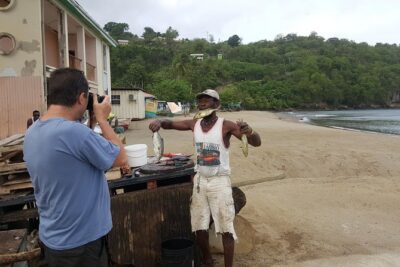
Food and Rum Tour – Taste authentic St. Lucian Food and Culture
Read our review →

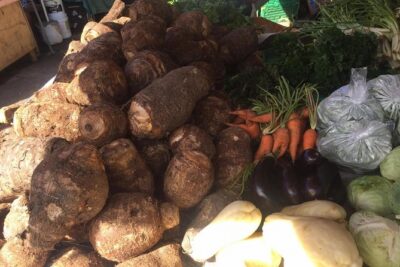
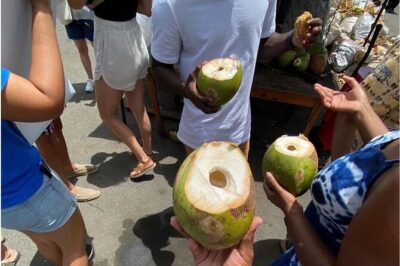
Castries Market Walking Food Tour by LUCIAN FOOD TOURS
Read our review →
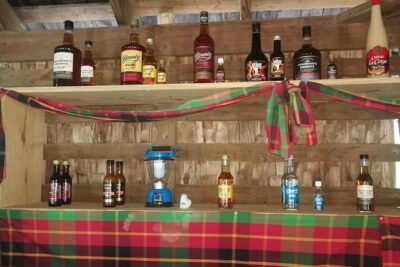
Soufriere Excursion with Rum & Chocolate Tasting
Read our review →
Browse the lists this tour appears in